
Exploring the Different Types of Wineries in Rioja: A World of Wine in One Region
Few wine regions in the world offer as much diversity in style, philosophy, and visitor experience as Rioja. Compact in size yet vast in personality, Rioja is not just one wine story — it is dozens, even hundreds, unfolding behind cellar doors scattered between vineyards, medieval villages, and avant-garde architecture.
For wine lovers planning a visit, understanding the different types of wineries here adds a new layer of appreciation — and helps shape a richer, more rewarding journey.
Family-Owned Wineries: Guardians of Tradition
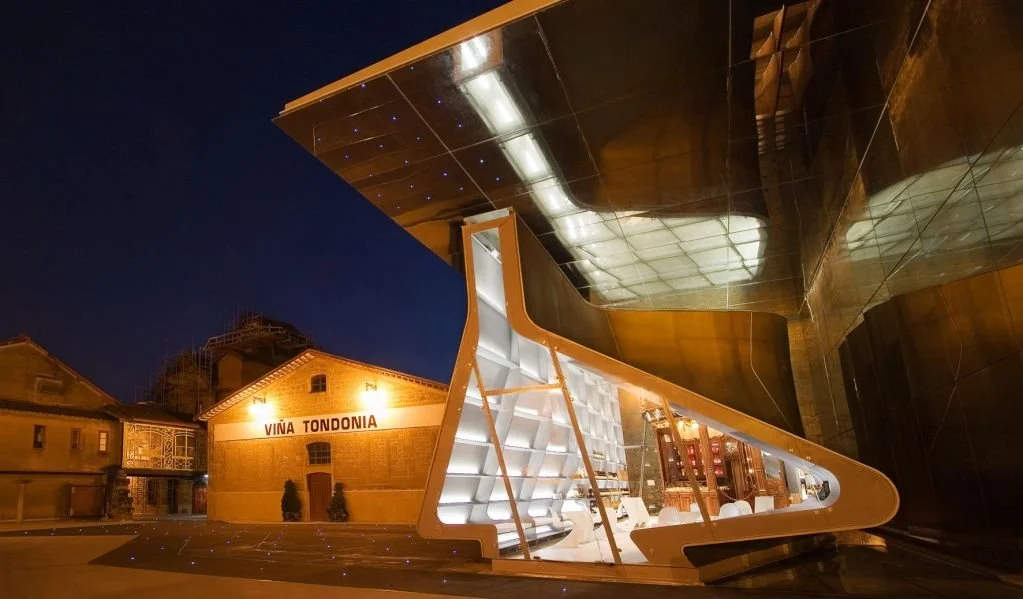
López de Heredia Viña Tondonia. Fuente: https://lariojaturismo.com/
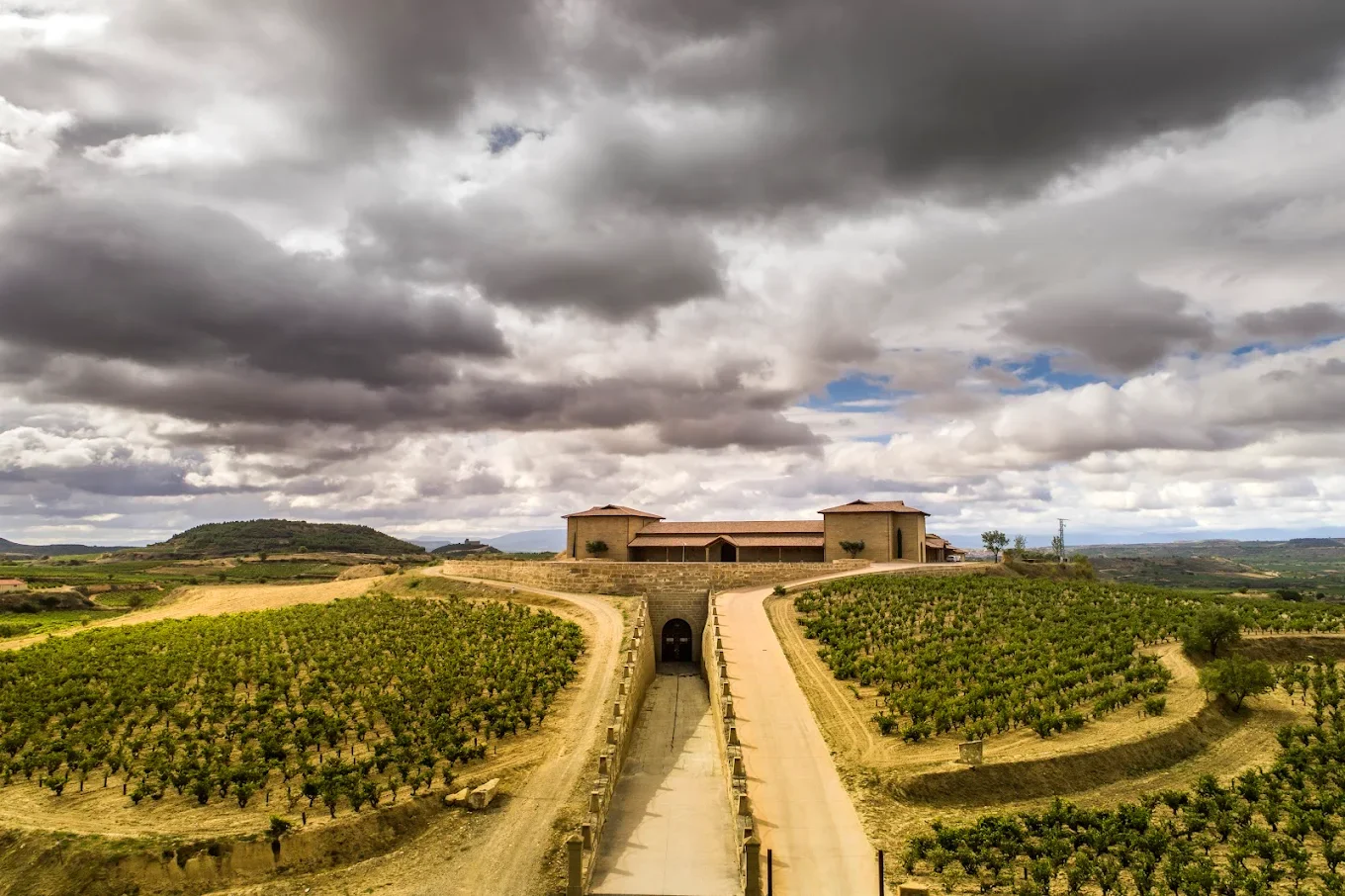
Viñedos Sierra Cantabria. Fuente: https://www.sierracantabria.com/
In Rioja, many wineries are still family-run, often across several generations. These are places where grandparents planted the vines, parents expanded the cellar, and children now blend innovation with legacy.
Visiting a family-owned estate often feels personal and unfiltered. You may walk through historic underground cellars carved in stone, taste directly from the barrel, or hear stories about how the 1970s harvest compared to the latest vintage.
Wineries like Bodegas López de Heredia in Haro preserve traditional aging methods, long barrel maturation, and classical Rioja style. Others reinterpret heritage with a modern touch, yet remain deeply rooted in family identity.
These visits are intimate, emotional, and rich in authenticity — perfect for travelers who value craftsmanship and storytelling.
Iconic Historic Houses: The Foundations of Rioja’s Reputation
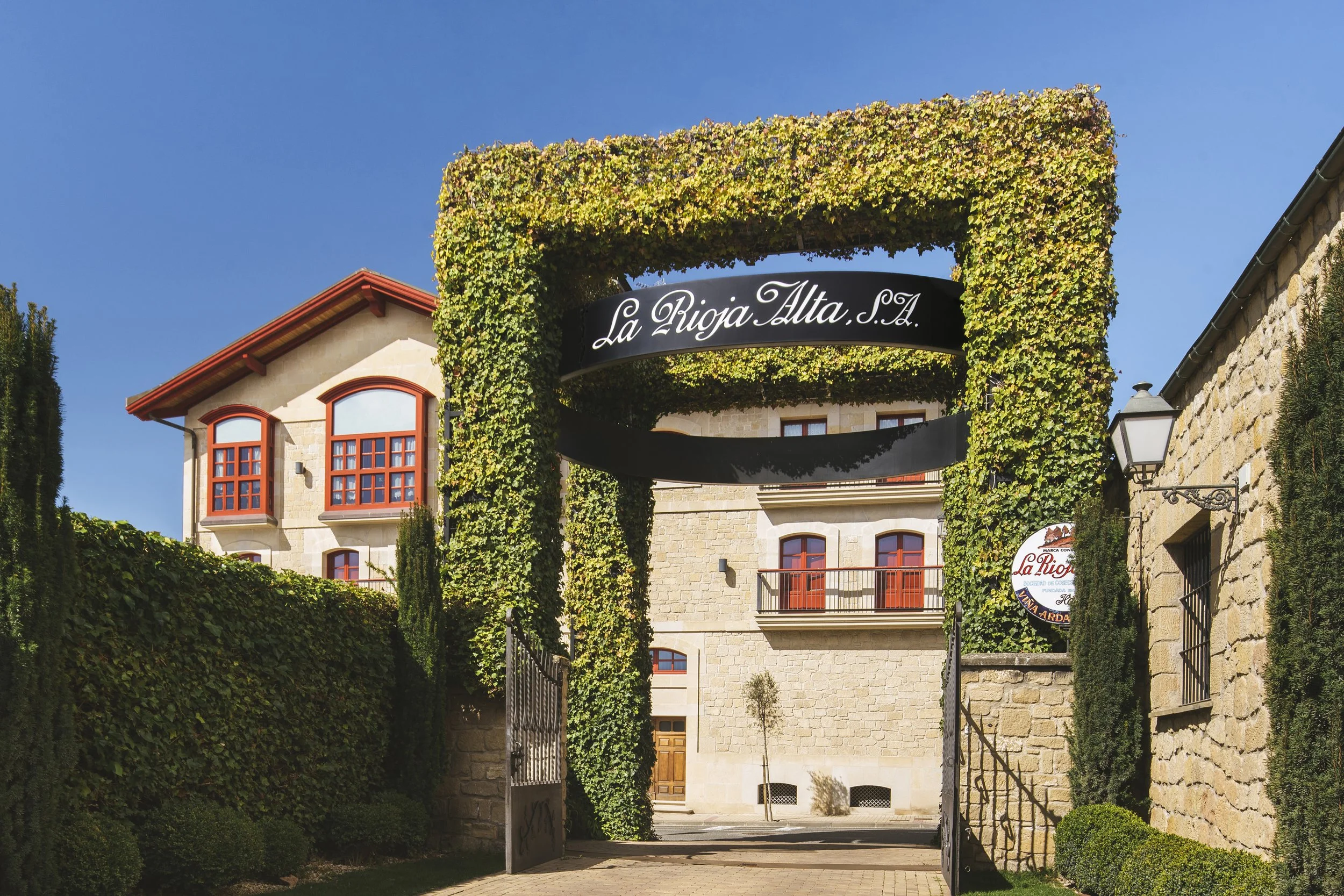
La Rioja Alta, S.A. Fuente: https://www.riojalta.com
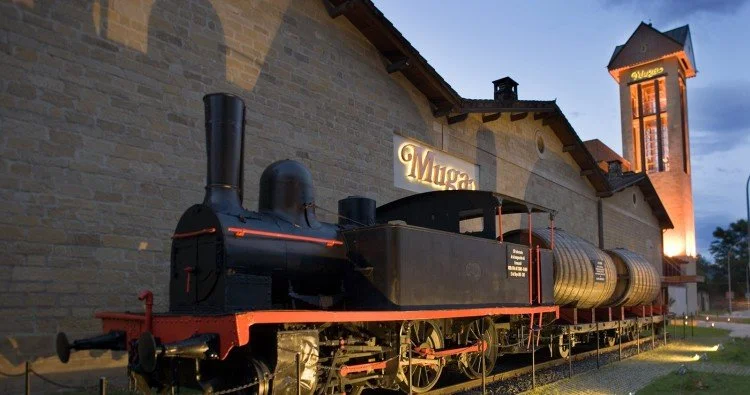
Bodegas Muga. Fuente: https://www.haroturismo.org
Some wineries are not just producers — they are chapters of wine history. Founded in the 19th century, these houses helped define the aging system (Crianza, Reserva, Gran Reserva) that made Rioja internationally famous.
Prestigious names such as Bodegas Muga or La Rioja Alta, S.A. combine scale with heritage. Their historic cellars, often located in Haro’s legendary Barrio de la Estación, feel like living museums.
A visit here offers perspective: how Rioja evolved, how French techniques influenced local production, and how centuries-old wineries remain relevant in the 21st century.
For many visitors, this is where the story of Rioja begins.
Architectural Landmarks: Where Wine Meets Design
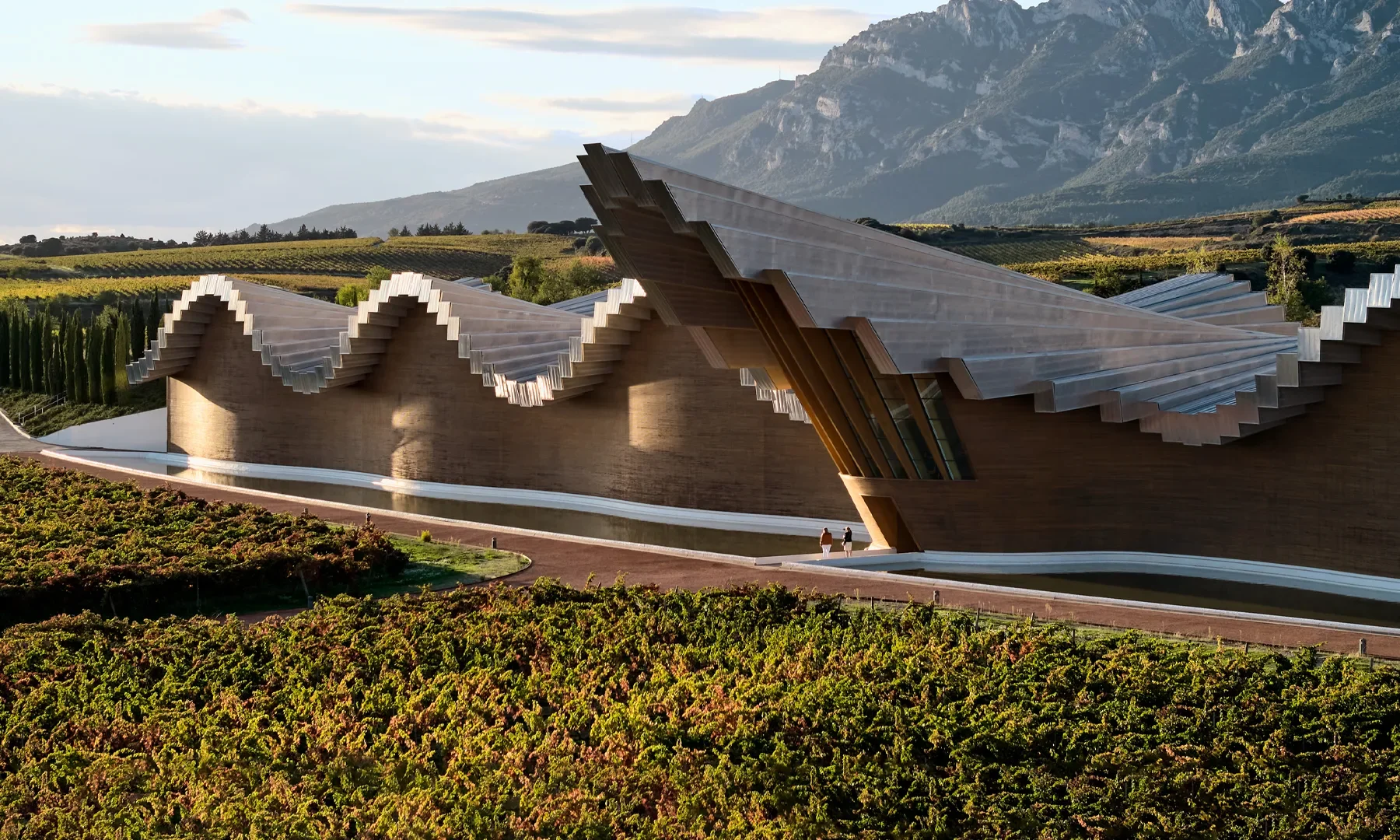
Bodegas Ysios. Fuente: https://laprensadelrioja.com/
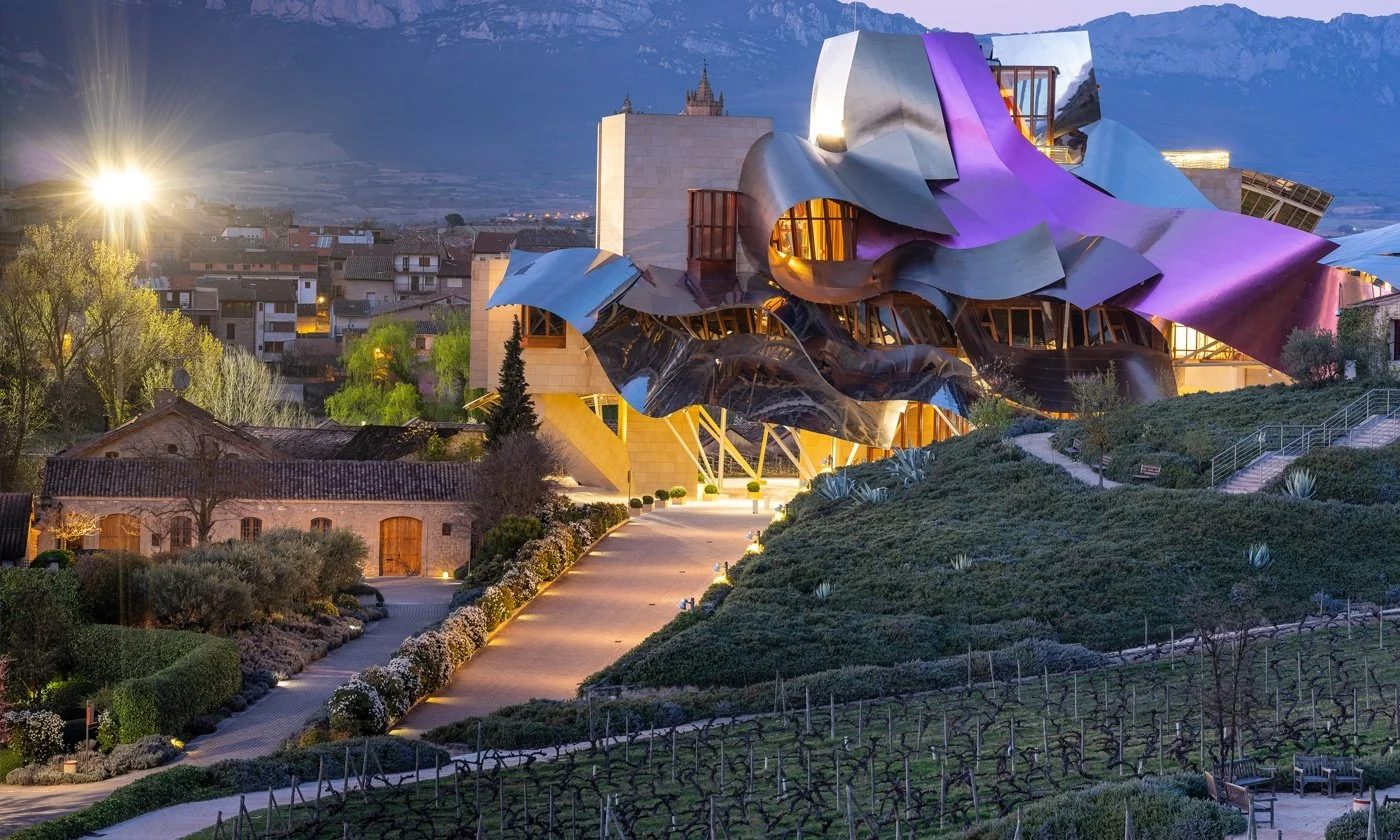
Marqués de Riscal. Fuente: https://laprensadelrioja.com
Rioja is also a destination for lovers of contemporary architecture.
Striking buildings designed by world-renowned architects have transformed parts of the region into an open-air gallery. The flowing titanium curves of Marqués de Riscal’s hotel by Frank Gehry, the wave-like roof of Bodegas Ysios designed by Santiago Calatrava, or the dramatic glass façade of Bodegas Baigorri — all offer immersive experiences where aesthetics and oenology meet.
These wineries appeal to travelers who appreciate design, innovation, and panoramic vineyard views as much as the wine in their glass.
Boutique & Terroir-Driven Projects: The New Rioja
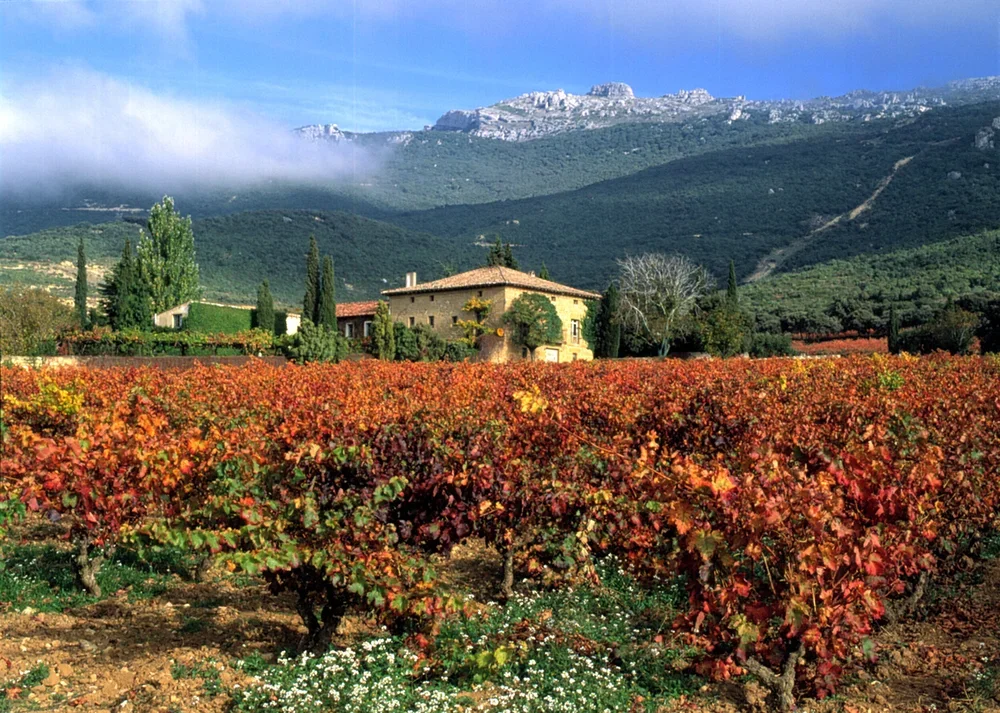
La Granja Nuestra Señora de Remelluri. Fuente: https://www.futurovinador.com
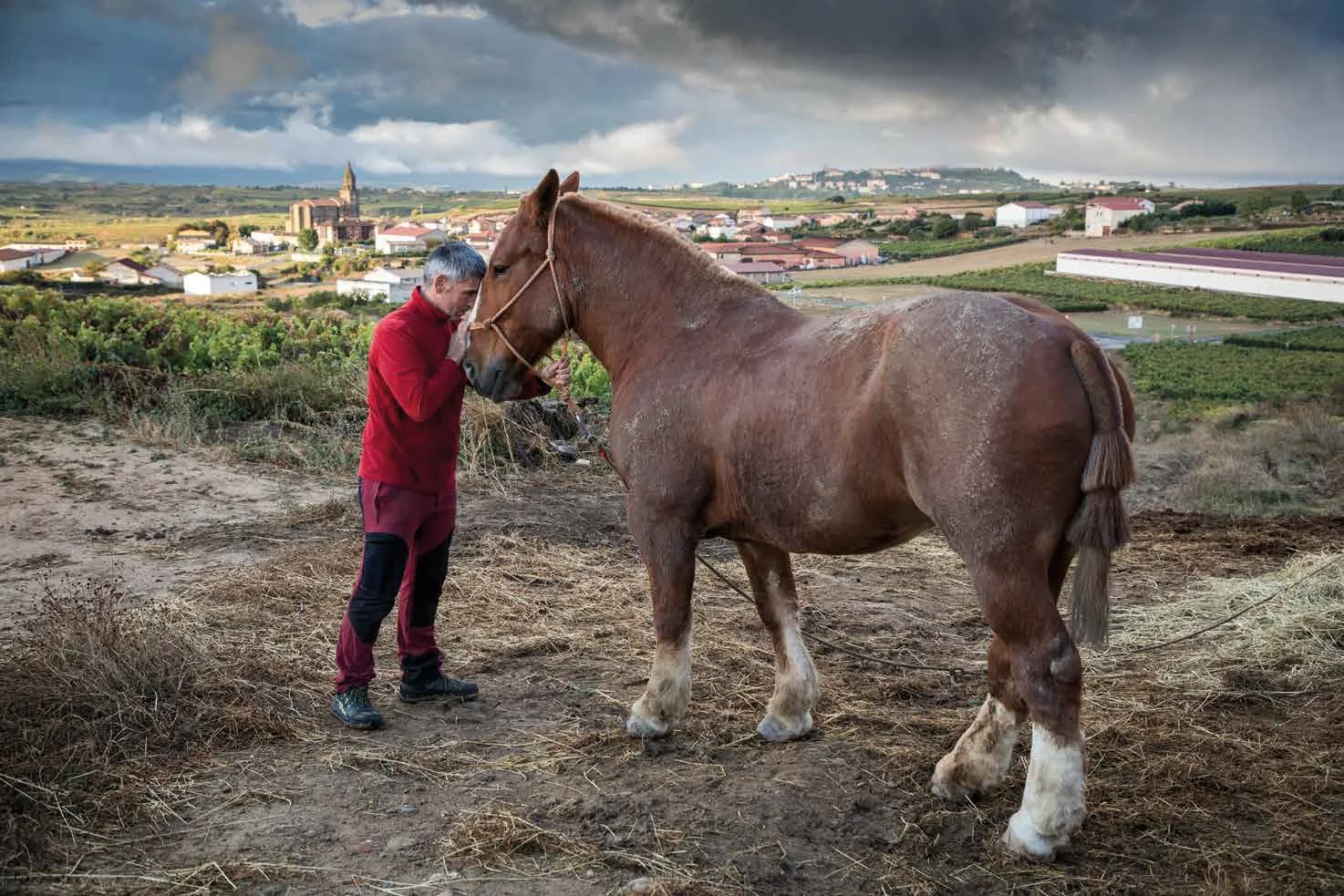
Bodegas Bhilar. Fuente: https://www.bodegasbhilar.es
In recent decades, Rioja has witnessed a quiet revolution.
A new generation of winemakers focuses on single vineyards, old vines, native varieties, and minimal intervention. These smaller, boutique projects often produce limited quantities but powerful expressions of place.
Producers such as Telmo Rodríguez have championed terroir-specific wines, helping reshape international perception of Rioja from a style-driven region to a landscape-driven one.
Another compelling example is Bodegas Bhilar, founded by David Sampedro in Rioja Alavesa. Working with organic and biodynamic principles, focusing on old bush vines and village-level identity, Bhilar represents a deeply personal and site-specific approach to winemaking. Here, the vineyard is not just the source of grapes — it is the central character of the wine.
Visiting these wineries feels exploratory and forward-thinking. Conversations revolve around soil types, altitude differences between Rioja Alta and Rioja Alavesa, farming practices, and the revival of forgotten grape varieties.
For curious wine enthusiasts, this is where Rioja feels dynamic and evolving.
Cooperative Wineries: Community and Collective Strength
Less visible but deeply important are Rioja’s cooperatives. These wineries unite dozens — sometimes hundreds — of local growers.
While traditionally focused on production rather than tourism, many now offer structured visits that reveal another layer of the region: collaboration. You gain insight into how small vineyard owners contribute fruit to a shared cellar, balancing individuality with collective quality standards.
Understanding cooperatives enriches any wine journey — they represent the social fabric of rural Rioja.
One Region, Many Experiences
What makes Rioja remarkable is not just the quality of its wines, but the range of experiences within a relatively small geographic area.
In a single trip, you might:
Taste century-old Gran Reserva in a candle-lit underground cellar
Walk through cutting-edge architecture overlooking endless vineyards
Share a table with a winemaker discussing soil and climate
Compare classical oak-aged Rioja with vibrant single-parcel expressions
This diversity allows every wine lover — whether novice or expert — to design a deeply personal experience.
Why It Matters for Your Visit
Understanding the types of wineries in Rioja transforms a simple tasting itinerary into a curated journey.
It encourages balance: tradition and innovation, scale and intimacy, history and experimentation. Rather than choosing “the best” winery, visitors discover that Rioja’s magic lies in contrast.
And perhaps that is the true beauty of this region — Rioja is not one story, but many, waiting to be experienced glass by glass.
For those planning future visits, consider mixing styles. The memory of Rioja becomes richer when viewed through multiple lenses — family heritage, iconic history, bold architecture, and terroir-focused passion.
That is when the region truly reveals its depth.
